
Line Magnetic Audio
Sound With Soul!
Explore All Our Products


Frequently asked questions
Still looking for an answer?
How to build your own audio system? What equipment is required?
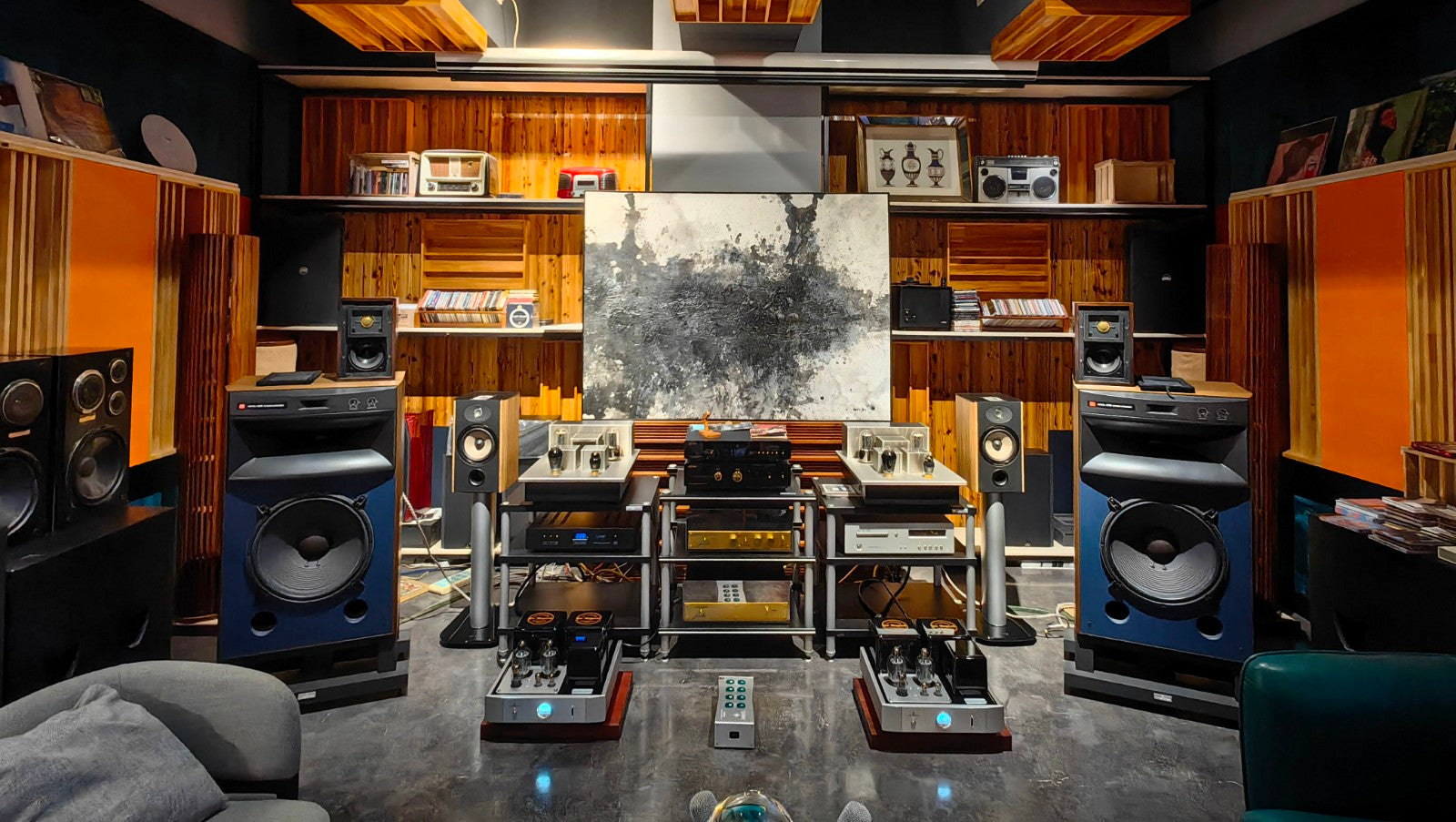
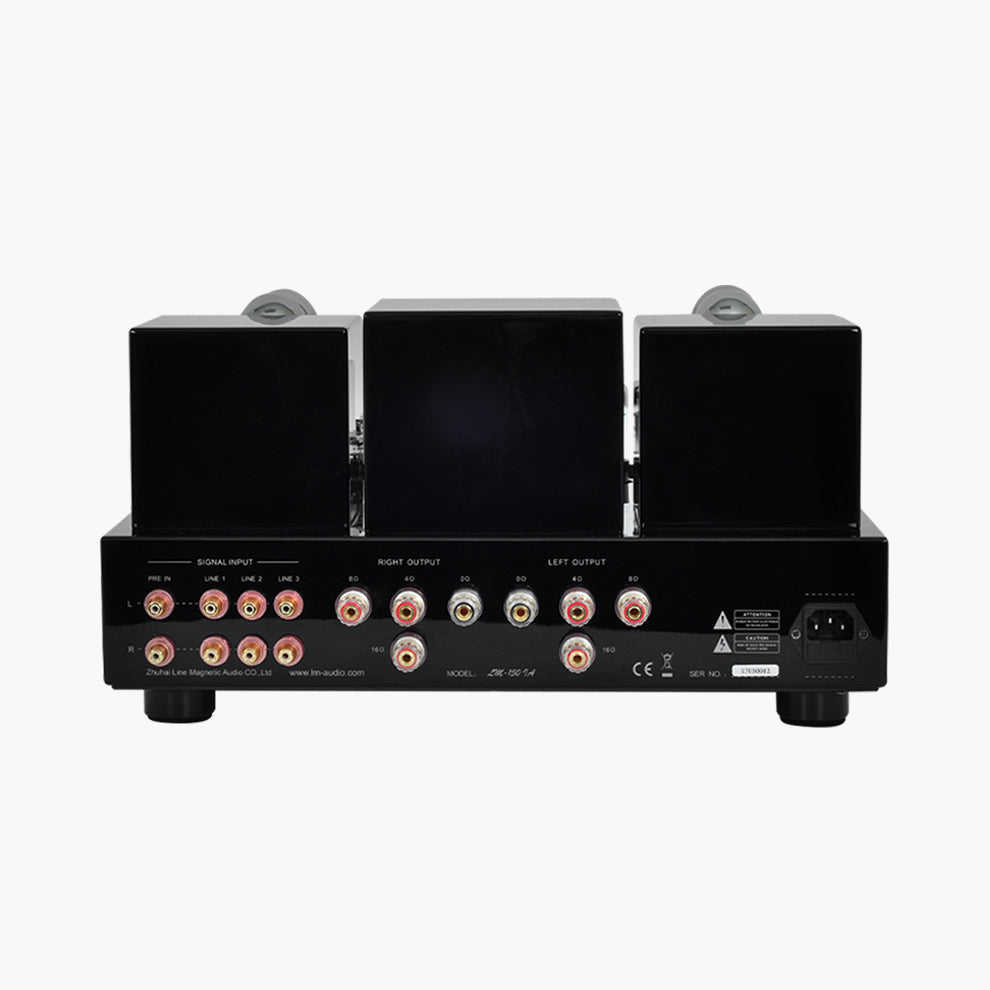
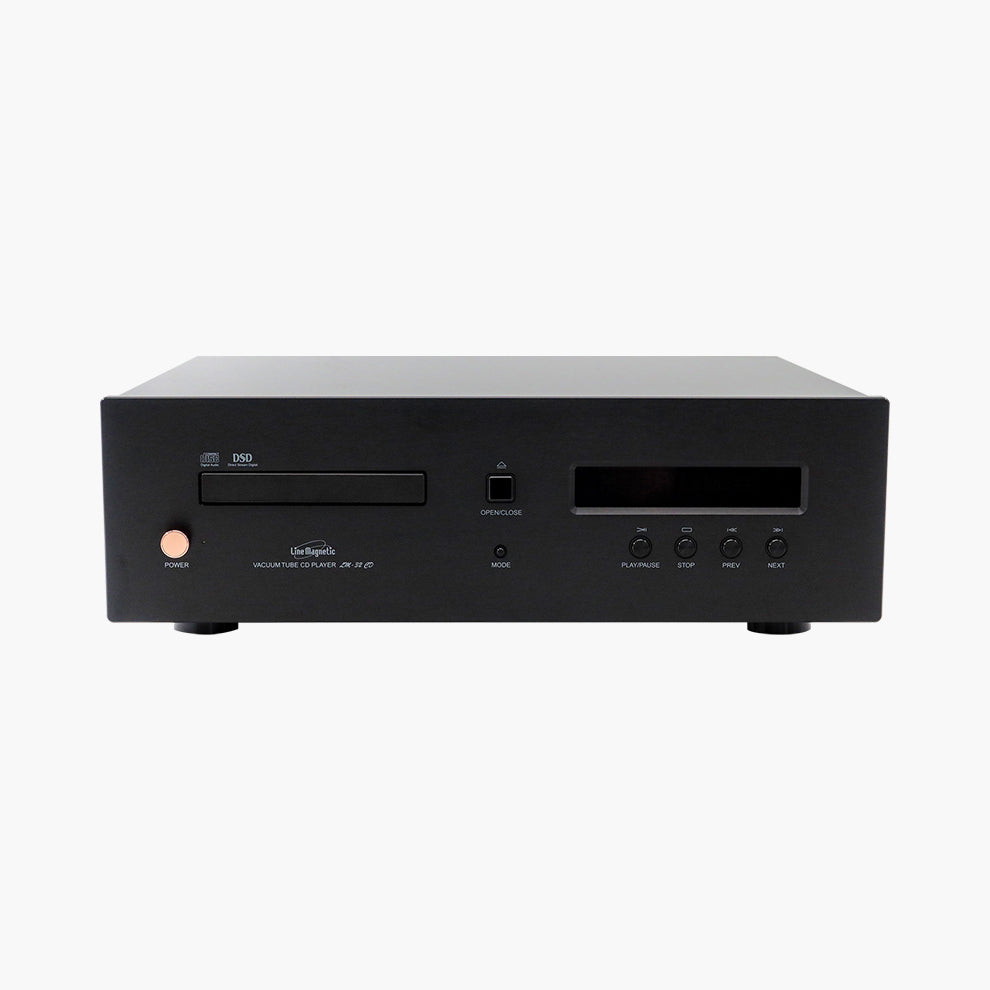
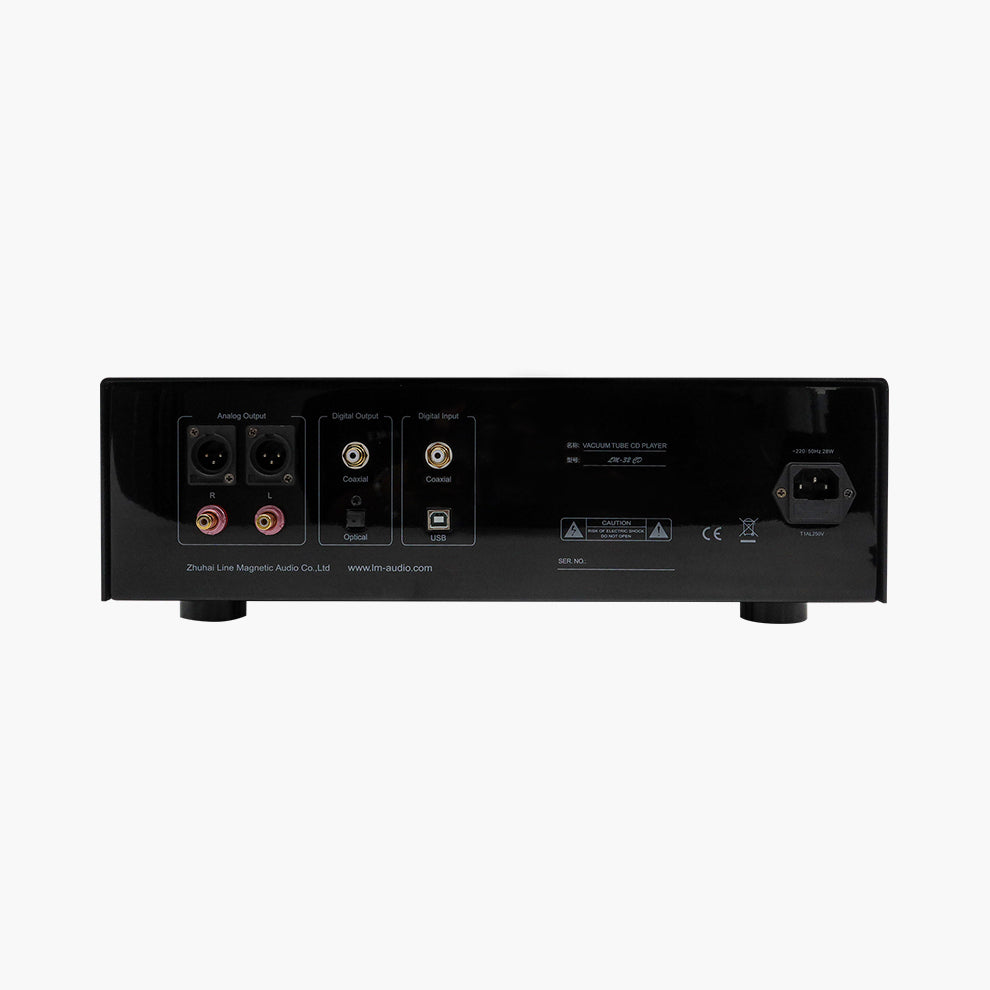
Building an audio system centers on three core components:source devices (such as digital streamers, CD players, turntables and streamingmedia players, which output audio signals), power amplifiers (available asintegrated amplifiers or a separate preamplifier + power amplifier combo,responsible for signal amplification), and loudspeakers (which convertelectrical signals into sound). These are complemented by connecting cablesincluding interconnect cables, speaker cables and power cords. Accessories suchas isolation feet and power conditioning gear can be added based on yourlistening space and budget. Once the system is connected following the"source → amplifier → loudspeaker" signal chain, you can adjustequipment selection and speaker placement according to room size and listeningpreferences, complete the basic setup and gradually optimize sound quality.
What is the difference between Line Magnetic tube amplifiers and transistoramplifiers?
Line Magnetic tube amplifiers leverage vacuum tubes to amplify audio signals, delivering a warm, rich and harmonious natural timbre. Unlike transistor amplifiers, they produce even-order harmonic distortion that is musically pleasing — often described as "smooth midrange performance", "smooth high-frequency response" and "three-dimensional sound imaging" — and excel particularly at reproducing vocals, jazz, classical music and acoustic music.
What are the differences between preamplifiers,power amplifiers and integrated amplifiers?
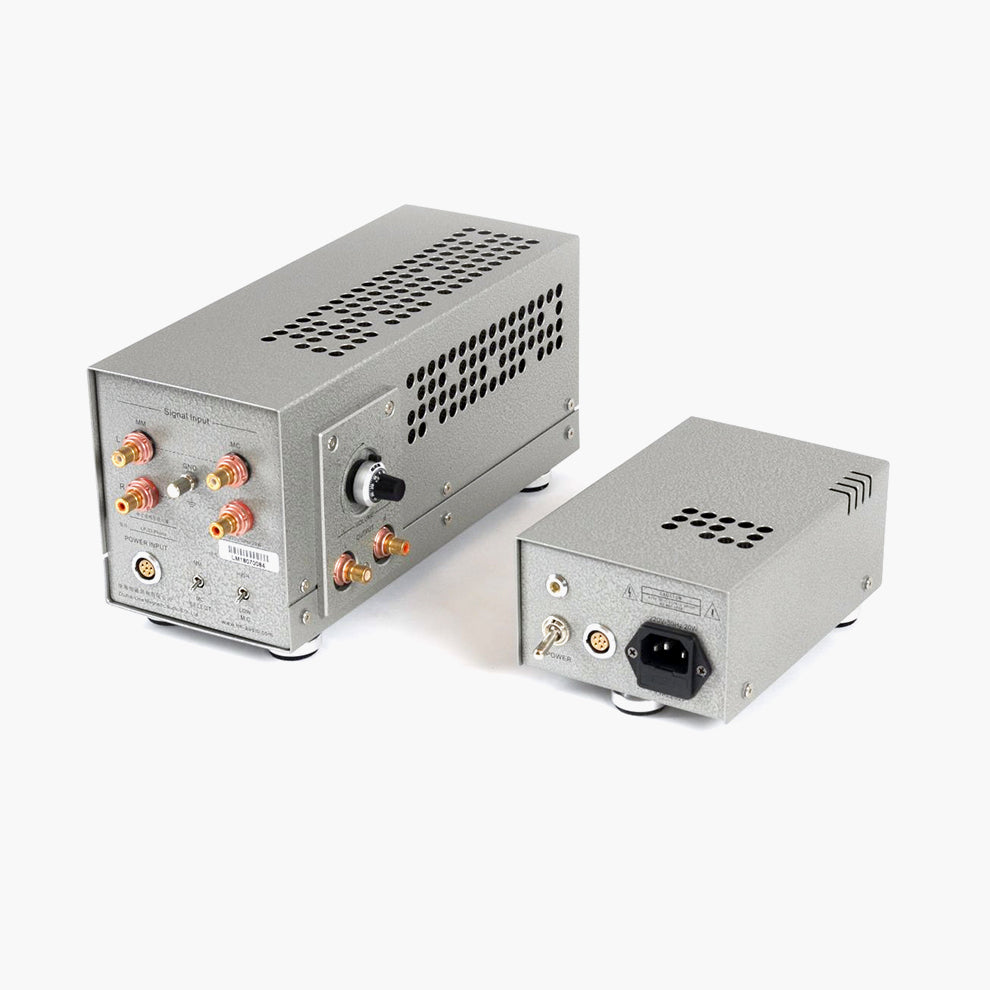
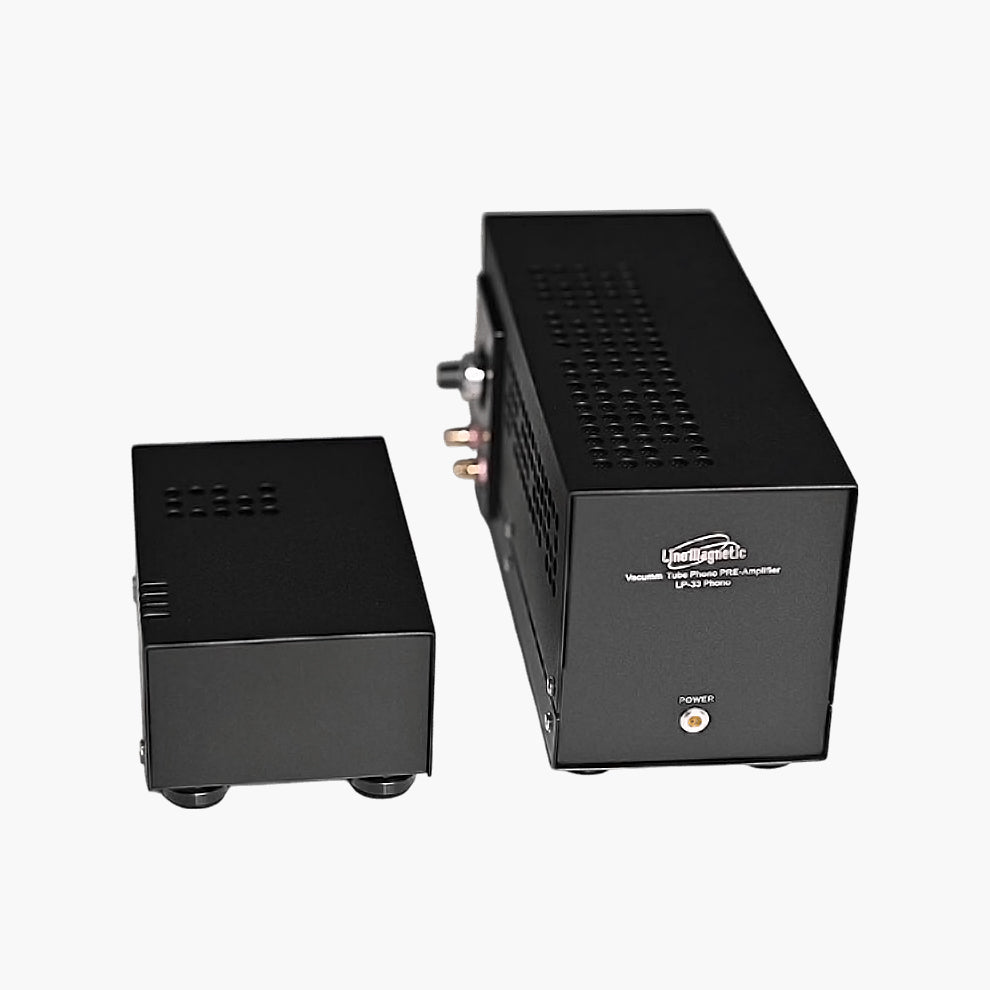
The preamplifier is dedicated to small-signal conditioning, overseeing source selection, volume control, impedance matching and voltage pre-amplification. It boosts low-level signals from media players, microphones and other audio sources to standard line level — sufficient to drive a power amplifier — with a focus on precise signal tuning and sonic refinement.
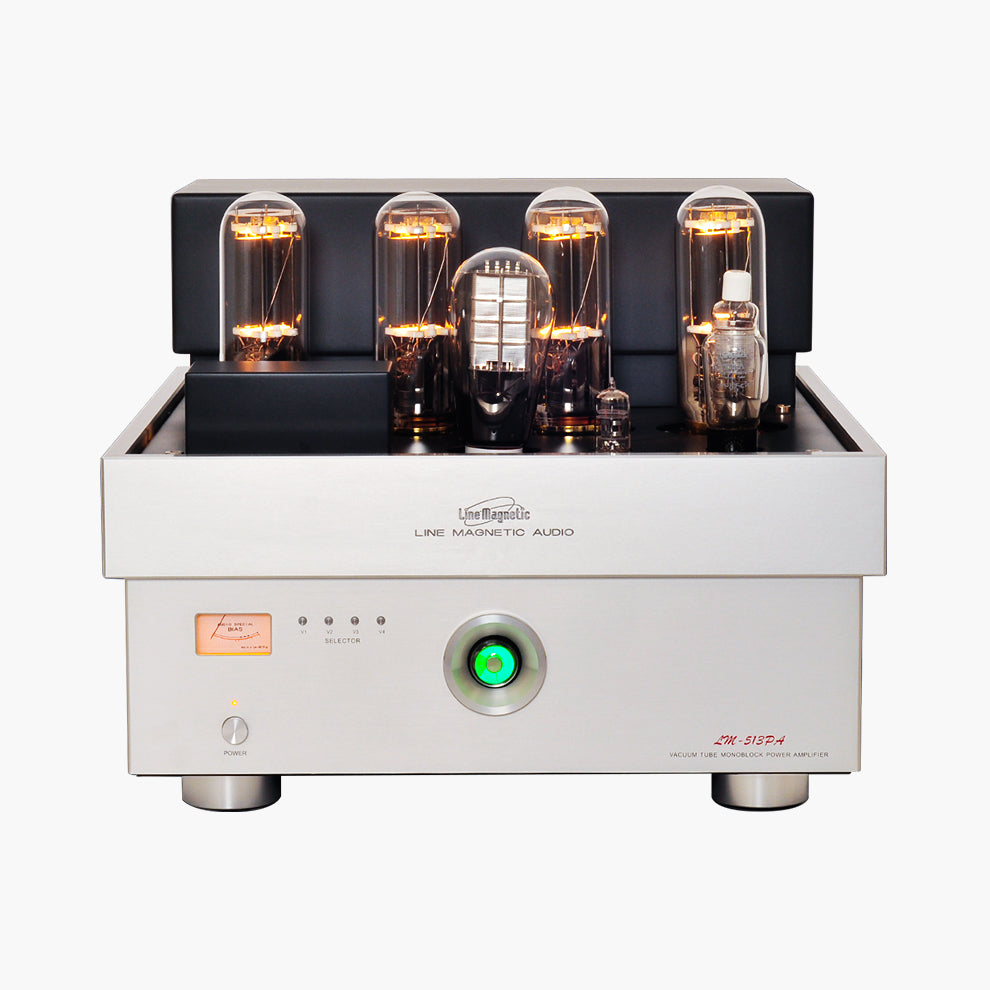
The power amplifier specializes in power amplification, performing high-current, high-power conversion to directly drive loudspeakers. Its core performance metrics are output power and speaker damping control, which define the system’s dynamic headroom and sound pressure capability.
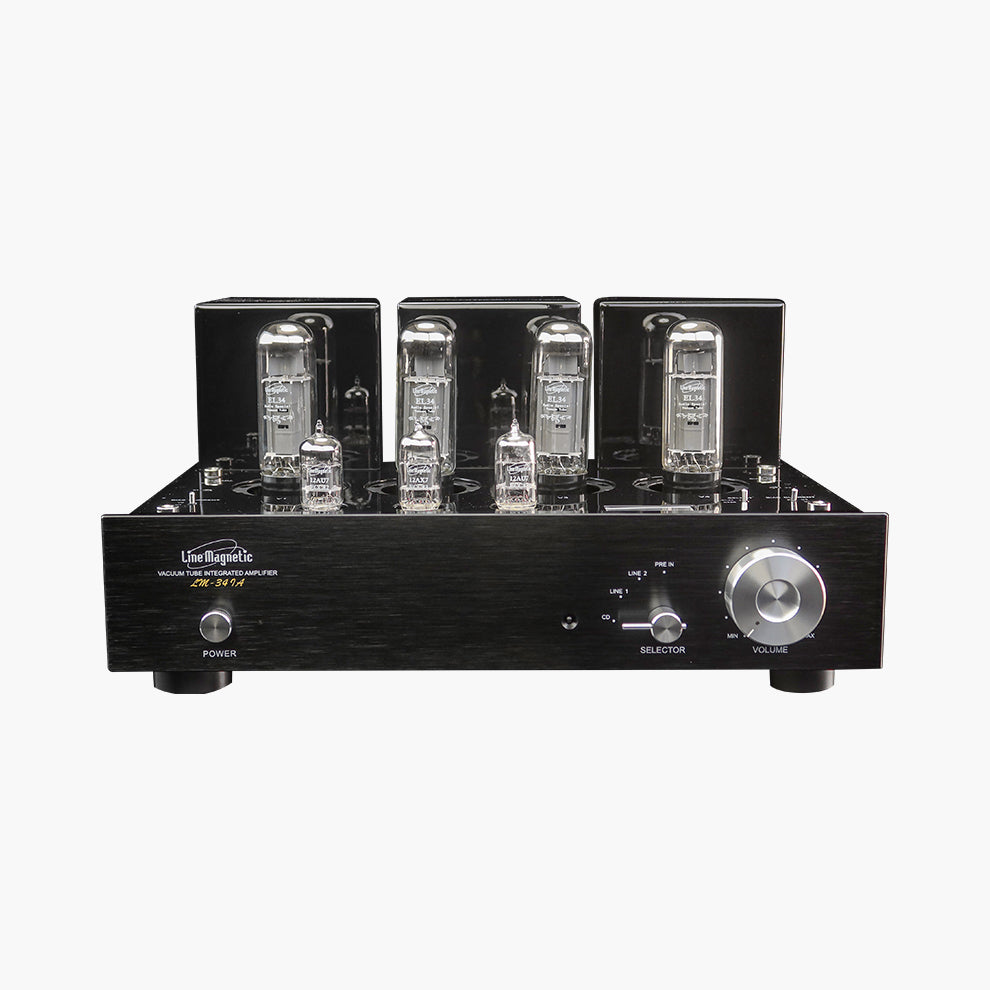
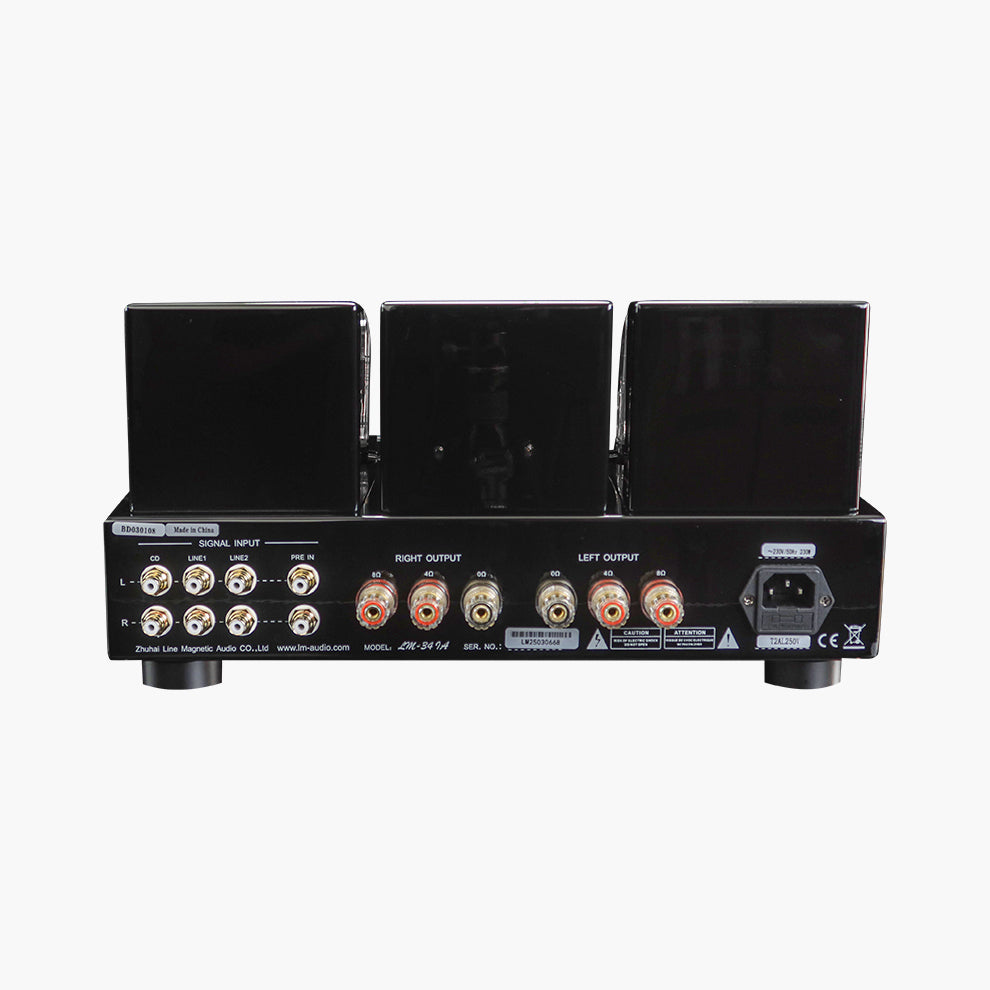
The integrated amplifier consolidates preamplifier signal processing and power amplification circuitry within a single chassis, eliminating the need for separate component matching, system calibration and extra cabling. Boasting a compact form factor, straightforward operation and favorable cost-effectiveness, it is ideal for general home audio setups, yet generally lags behind separate preamp-power amp configurations in signal isolation, upgrade flexibility and peak acoustic performance.
What is the difference between single-ended Class Aand push-pull Class AB designs?
Single-ended Class A tube amplifiers adopt a single-ended circuit topology, in which the amplifier tubes remain fully conductive throughout the entire audio signal cycle and amplify both the positive and negative half-cycles of the signal. Their distortion is dominated by even-order harmonics, delivering a warm and full-bodied timbre. These models generally have limited output power and low power conversion efficiency, and are typically applied to near-field listening scenarios in small spaces.
Push-pull Class AB tube amplifiers employ a push-pull circuit topology, with matched amplifier tubes respectively responsible for amplifying the positive and negative half-cycles of the signal, and operating in a slightly conductive state at idle. They feature low overall distortion, sufficient output power and dynamic range, and high power conversion efficiency, and can adapt to speakers of various specifications and the reproduction of different music genres.
What is the service life of vacuum tubes?
Power tubes typically have a service life of 2,000 to 5,000 hours, with the actual duration varying by tube model and operating conditions. Preamp tubes boast a longer lifespan, generally reaching 5,000 to over 10,000 hours.
Our amplifiers are designed with user-replaceable tube sockets for simple and convenient tube replacement. We also offer matching vacuum tubes to ensure your equipment maintains optimal performance at all times.
How much amplifier power do I need for my speakers and listening room?
Amplifier power requirements are determined by three core factors: speaker sensitivity, room size, and listening preferences:
Small room (10–20 m²) with high-sensitivity speakers (92 dB and above): 8–15 W
Medium room (20–35 m²) with medium-sensitivity speakers (88–91 dB): 20–40 W
Large room (35 m² and above) with low-sensitivity speakers (below 88 dB): 50 W to over 100 W
We offer complimentary audio system matching consultation. Simply share your speaker model and room dimensions, and we will provide personalized recommendations tailored to your setup.
Can I use a tube amplifier with modern digital audio sources?
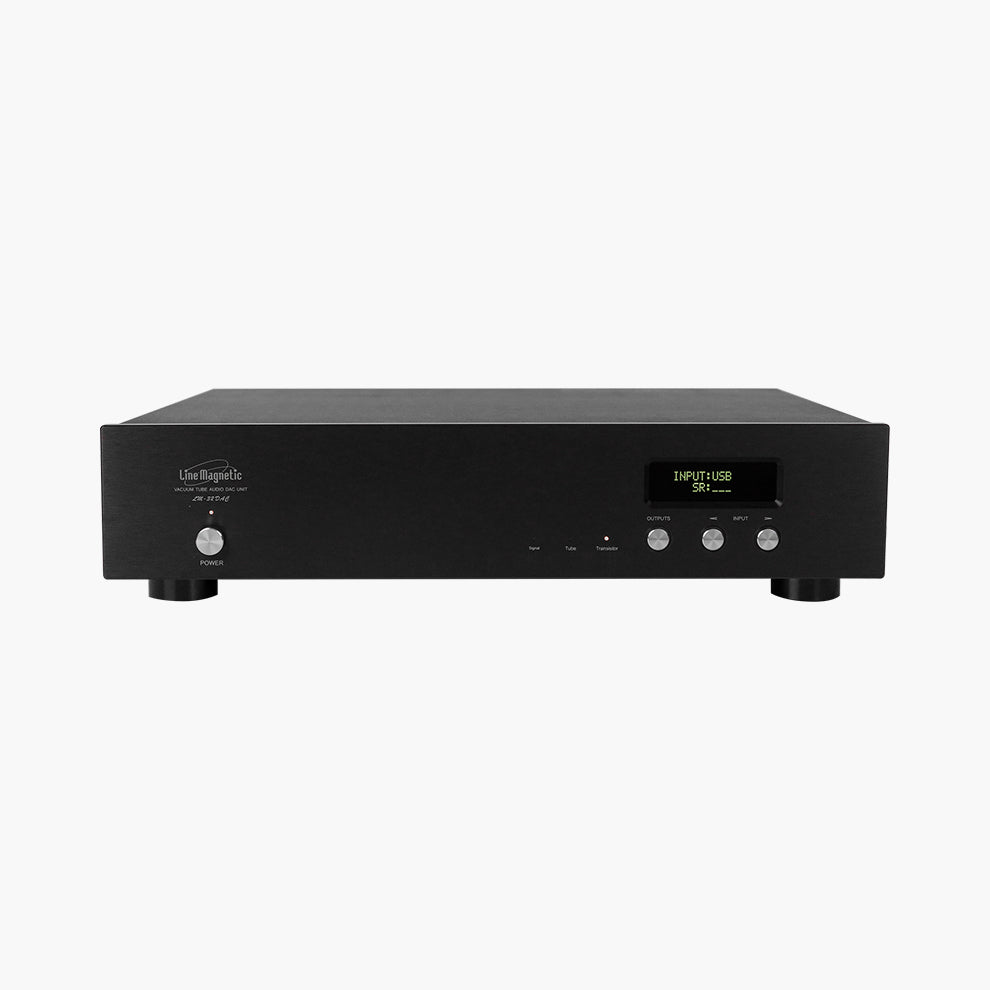
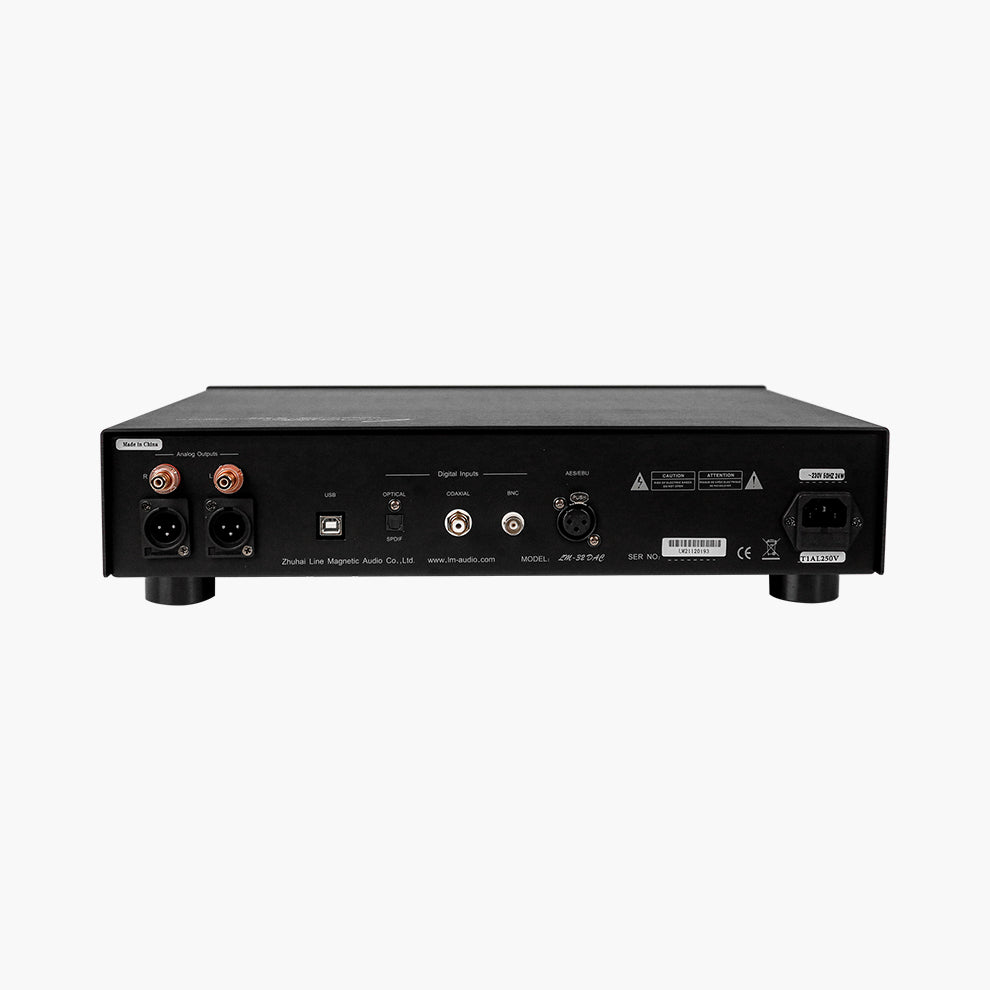
Absolutely. Our tube amplifiers are fully compatible with all modern audio sources, including streaming players, CD players, external DACs, turntables equipped with a phono preamplifier, and computer audio setups. The warm sonic character of tubes infuses natural musicality into digital sources, softening the inherent harshness common to digital signals while fully retaining the original detail, layering and resolution. Many listeners describe the sound of this pairing as "digital sound with an analog soul".
Do you ship to our country? What is your after-sales service like?
We offer worldwide shipping to more than 100 countries and regions, including the US, Canada, the UK, Germany, France, Australia, Japan, and most parts of Europe, Asia and the Americas — you may shop with complete peace of mind. Every unit is packaged with reinforced protective materials to ensure secure transit and intact delivery.
We provide comprehensive after-sales support for our full product range. In the unlikely event of shipping damage, we will fully cover all claims and arrange replacements at no cost to you. Our dedicated technical support team is also on hand via email and live chat to provide operational guidance and technical assistance.